How to Choose a Man and Van Service in London (2026 Guide)
Don't get ripped off. Our expert guide shows you exactly what to look for when booking a man and van in London - from insurance to ULEZ compliance.
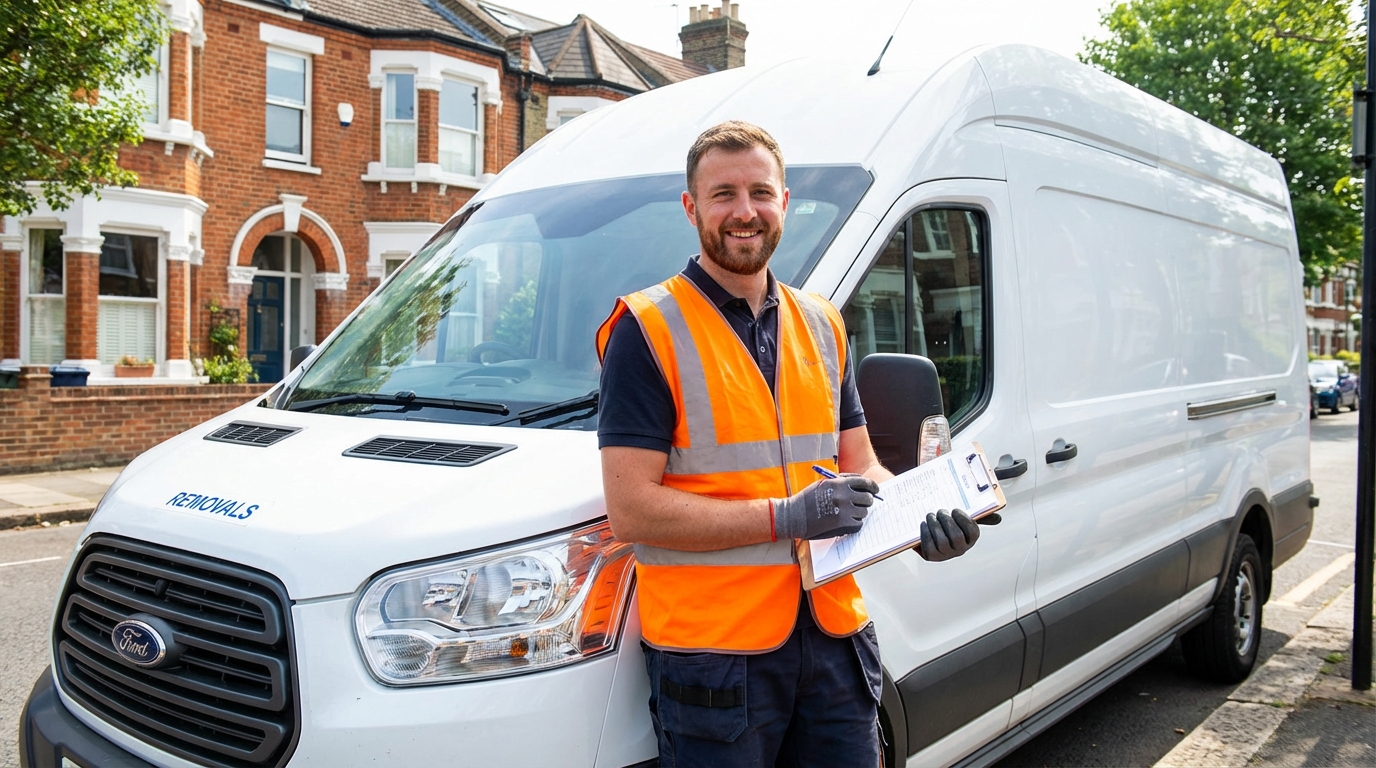


What to Look for in a Man and Van
- 1. Valid insurance - goods-in-transit cover is essential
- 2. Fixed price quotes - avoid hourly rate surprises
- 3. ULEZ compliant vehicles - no £12.50 daily charges
- 4. Verified reviews - Google, Trustpilot, or Facebook
- 5. Transparent pricing - no hidden fees or cash-only deals
Insurance Checklist: What You Need to Know
Insurance is often overlooked but is arguably the most important factor when choosing a man and van service. Without proper coverage, you could lose money if anything gets damaged during your move.
Goods-In-Transit Insurance
Covers your belongings while they're being moved. This is essential coverage that protects against damage or loss during transit.
Public Liability Insurance
Protects you if someone gets injured during the move. Professional services should have at least £1 million in coverage.
Vehicle Insurance
The van itself should be fully insured for business use. This is different from standard car insurance.
Always Ask for Proof
Never book without seeing insurance documentation. A reputable company will happily provide this. If they hesitate, walk away.
Van Thats Quick Insurance
Ask us for the current insurance certificate, cover limits and exclusions that apply to your job before you book.
Pricing Transparency: What You Should Pay
London man and van pricing varies widely, and hidden costs can quickly add up. Here's what you need to know about pricing structures and what to expect.
| Property Type | Hourly Rate | Fixed Price Range | Notes |
|---|---|---|---|
| Studio Flat | £55-£75/hr | £80-£150 | 1-2 hours typical |
| 1 Bedroom Flat | £55-£80/hr | £120-£200 | 2-3 hours typical |
| 2 Bedroom Flat | £65-£90/hr | £180-£300 | 3-4 hours typical |
| 3 Bedroom House | £80-£120/hr | £300-£450 | 4-6 hours typical |
| 4+ Bedroom House | £100-£150/hr | £450-£700+ | 6+ hours typical |
What's Usually Included
- • Van and driver
- • Fuel costs
- • Basic insurance
- • Loading and unloading
- • Distance within London
Potential Extra Charges
- • Parking permit suspension fees
- • ULEZ charges (£12.50/day)
- • Congestion charge (£15/day)
- • Stair climbing or long carries
- • Late arrival or waiting time
ULEZ Compliance: Don't Pay Twice
The Ultra Low Emission Zone (ULEZ) now covers all of London. If your man and van uses a non-compliant vehicle, you could face unexpected charges of £12.50 per day - charges that might be passed on to you.
£12.50
Daily ULEZ charge
100%
London coverage
24/7
Operating hours
How to check if a van is ULEZ compliant
Ask the company for the vehicle's registration and check it on the TfL website. Most modern diesel vans (Euro 6) and all electric vans are compliant. Petrol vans must be Euro 4 or later.
How to Read Reviews Effectively
Reviews can be incredibly helpful, but they can also be misleading. Here's how to spot genuine feedback and red flags.
Look for Specific Details
Genuine reviews mention specific things: the name of the driver, the type of move, parking situations, timing, and how problems were resolved.
Check Multiple Platforms
Don't rely on a single review site. Check Google Reviews, Trustpilot, Facebook, and Checkatrade for a more complete picture.
Recent Reviews Matter Most
Focus on reviews from the last 6-12 months to understand current service levels. A company that was great in 2020 might have changed.
Be wary of review patterns
A cluster of five-star reviews posted within a few days of each other, all short and all generic, is worth more scepticism than a handful of detailed reviews spread over months. Look for reviews that mention specifics — the crew, the item, the address type.
The checks worth doing before you book
The man-and-van trade has a low barrier to entry, which is a good thing for prices and a bad thing for consistency. The difference between a solid operator and a bad one is rarely visible on the website, so the useful checks are the boring ones: does the business have a real address and a landline or a consistent mobile, does the same name appear on the reviews, the invoice and the van, and will they put the quote in writing before the day.
Ask about insurance directly, and ask for specifics rather than accepting an adjective. "Fully insured" is a phrase, not a policy. What matters is what cover exists, what the limit is, and what is excluded — most goods-in-transit policies exclude or cap high-value items, and you want to know that before your grandmother's clock is in the van, not after.
- Get the quote in writing — A number said on the phone is not a quote you can hold anyone to.
- Ask what the insurance actually covers — Request the certificate, the limit and the exclusions. Vague reassurance is not an answer.
- Check the name is consistent — Website, invoice, reviews and payment details should all be the same business.
- Ask how they price — Hourly, fixed, or by item — and what makes it change. "It depends" on the day is a warning sign.
- Look for recent reviews — A handful of reviews from the last few months beats fifty from three years ago.
Warning signs, and what they usually mean
The most reliable red flag is a quote given without any questions. A price for "a two-bed flat move" offered before anyone has asked about floors, lifts, parking or volume is not a price — it is a hook, and the number will change once the van is loaded and your leverage is gone. Anyone quoting seriously asks about access first, because access is what determines the work.
Cash-only insistence is the second. There are legitimate reasons a small operator prefers cash, but a business that will not issue an invoice is a business you cannot pursue if something is damaged. The third is pressure to pay a large deposit to a personal account. A modest deposit to a business account is normal; a large one to a named individual is not.
- A quote with no questions — Nobody can price a move without knowing the access. The number will move.
- No written confirmation — If it is not in writing, it is not agreed.
- Large upfront deposits — Especially to a personal account rather than a business one.
- No fixed business identity — No address, changing phone numbers, a name that differs from the payment details.
- A price far below everyone else — Sometimes it is efficiency. More often it is a number that changes on the day.
Six questions that tell you most of what you need
You can size up an operator in one phone call if you ask the right things. The questions below are not tests — they are the same things a competent firm needs to know from you, so a good one will already be asking most of them back. If the answers are specific and come without hesitation, you are probably talking to someone who does this properly.
- "What is the price and what would change it?" — A good answer names the specific things: stairs, volume, waiting time, parking distance.
- "Is that one mover or two?" — Crucial and frequently ambiguous. One mover on a third-floor walk-up is a long day.
- "Are ULEZ and the Congestion Charge included?" — In London they should be in the quote, not added afterwards.
- "What happens if it takes longer than estimated?" — You want the increment and the rate, agreed in advance.
- "Can you send the insurance details?" — The answer to this one is the most revealing of the six.
- "Will I get an invoice?" — A business that invoices is a business you can hold to account.
Ready to Book a Man and Van?
Ask us for the current insurance certificate, cover limits and exclusions that apply to your job before you book.