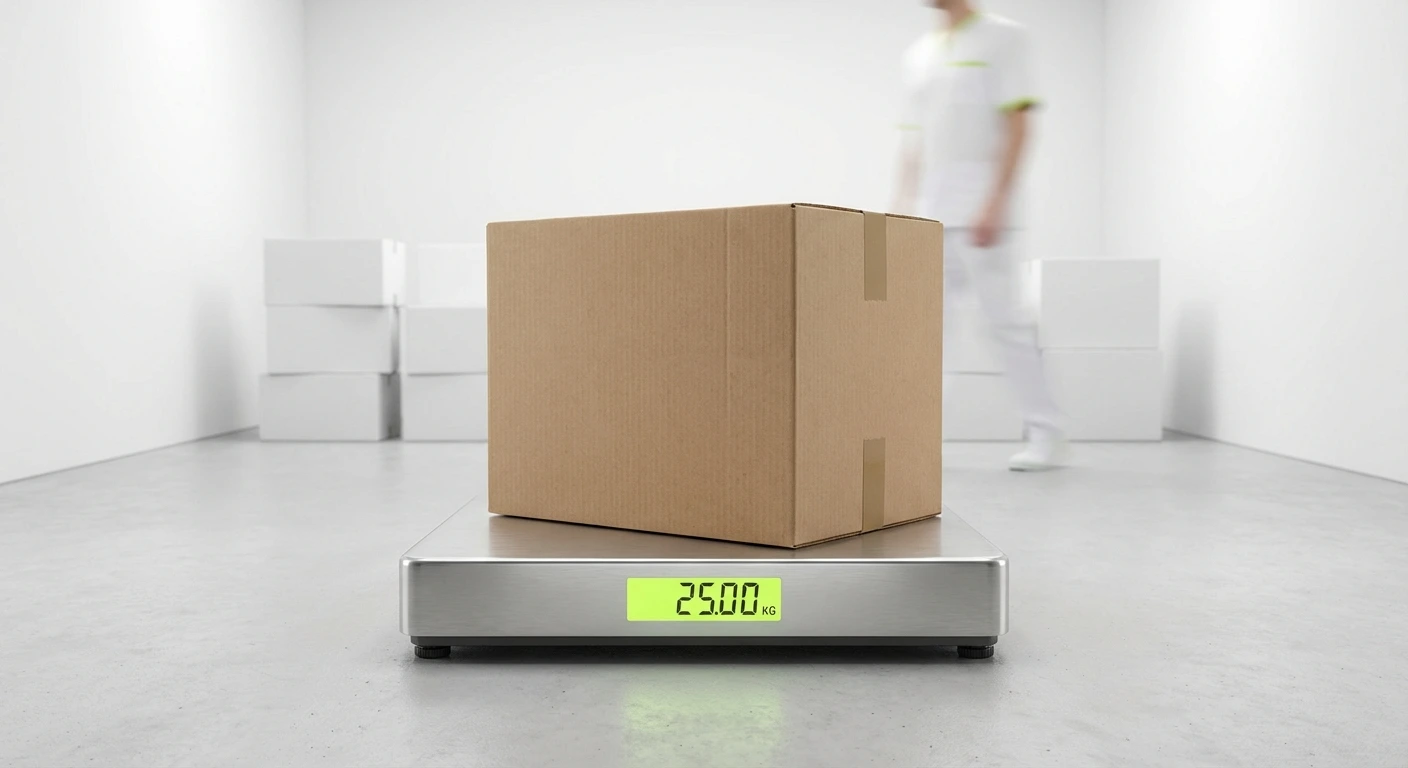
Sending heavy parcels doesn't have to be expensive. With the right courier and booking method, you can send 20-30kg packages across the UK from just £4.90. Here's how to find the cheapest option for your needs.
Quick Cost Comparison
Here's how the main UK couriers compare for heavy parcels:
| Courier | 20kg Price | 30kg Price | Max Weight |
|---|---|---|---|
| DHL eCommerce UK | From £4.90 | From £8.80 | 30kg |
| DPD (via Parcel2Go) | From £6.29 | Varies | 30kg |
| Parcelforce 48 Large | From £10 | From £12 | 30kg |
| UPS (via Parcel2Go) | From £12 | From £15 | 70kg |
| Evri | N/A | N/A | 15kg max |
| Royal Mail | From £15 | N/A | 20kg max |

Pro Tip
Always compare prices through aggregator sites like Parcel2Go, Parcel Monkey, or Postage Supermarket. They often have negotiated rates that beat going direct to the courier.
Best Options for 20kg Parcels
1. DHL eCommerce UK - From £4.90
The cheapest option for 20kg parcels is DHL eCommerce UK when you drop off at a depot. Their "Large Parcel" service covers items up to 60 x 60 x 60cm weighing up to 20kg. Collection from your address costs a bit more but is still competitive.
2. DPD via Parcel2Go - From £6.29
Booking through Parcel2Go gets you DPD's next-day service at discounted rates. You get full tracking and the DPD Predict one-hour delivery window, which recipients love.
3. Parcelforce via Comparison Sites
Booking Parcelforce through sites like Parcel Monkey can be cheaper than going to the Post Office directly. Their 48-hour service offers good value for non-urgent heavy parcels.
Best Options for 30kg Parcels
1. DHL Extra Large - From £8.80
DHL's Extra Large service handles parcels up to 120 x 70 x 70cm and 30kg. At under £9 for depot drop-off, it's hard to beat for sheer value.
2. Parcelforce 48 Large - Best Overall Value
Many delivery experts recommend Parcelforce for 30kg parcels. Book through comparison sites for discounted rates that beat Post Office prices. Parcels can be up to 2.5m in length.
3. DX Freight - For Pallets and Heavy Items
If you're regularly sending 30kg+ items, DX Freight handles pallets up to 500kg. Often used by businesses for bulk shipping.
Understanding Volumetric Weight
Here's the catch that trips up many people: couriers charge by volumetric weight, not just actual weight. This means a large but light box can cost more than a small heavy one.
How to Calculate Volumetric Weight
Most UK couriers use this formula:
Example: A box measuring 60 x 40 x 40cm has a volumetric weight of 19.2kg, even if it only weighs 5kg. You'd be charged for ~20kg.
Tips to Reduce Volumetric Weight
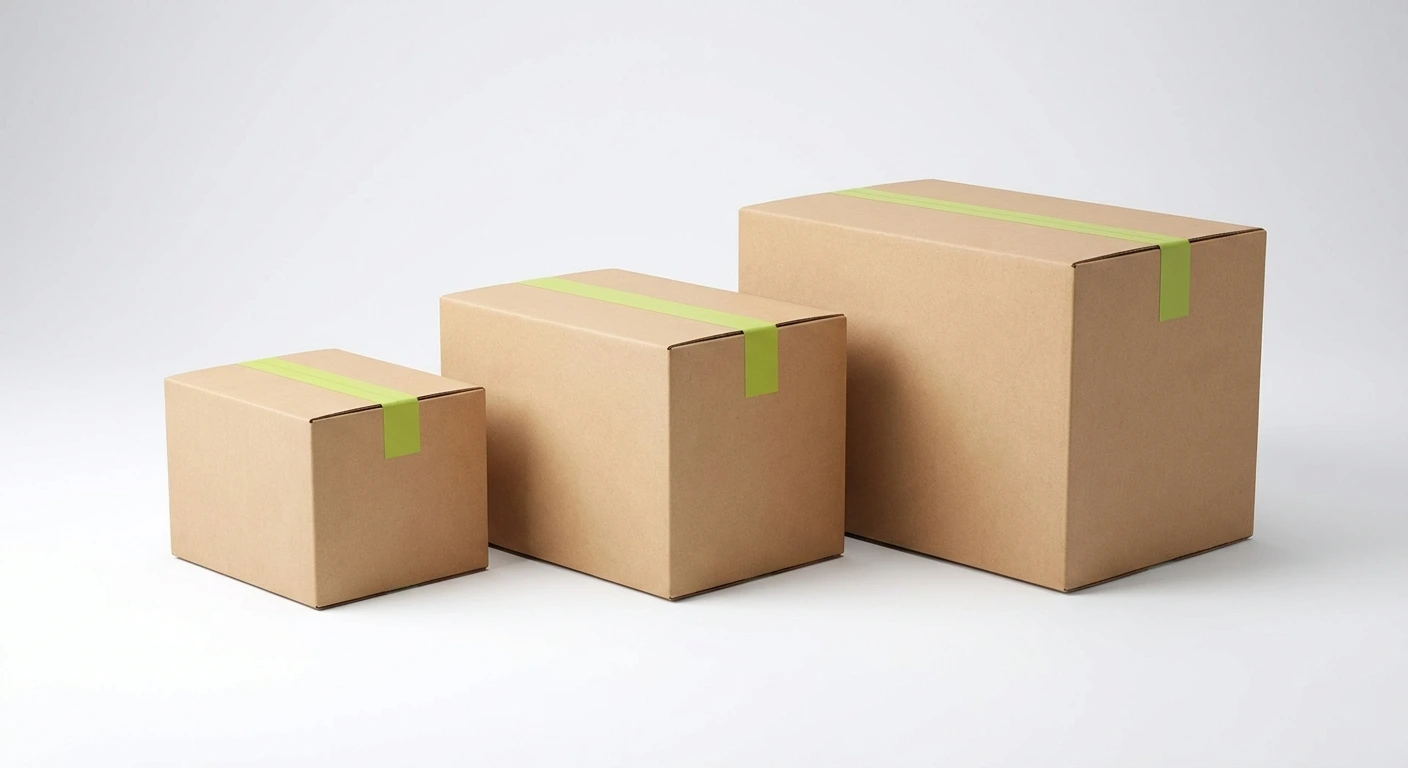
- Use the smallest box possible that safely fits your item
- Remove excess packaging and air space
- Consider vacuum-sealing soft items like bedding or clothes
- Disassemble items where possible to reduce dimensions
Drop-Off vs Collection: Which is Cheaper?
Dropping off your parcel is almost always cheaper than having it collected. Here's the typical difference:
Drop-Off
- Save £2-5 per parcel
- No waiting for collection window
- Drop at depot, ParcelShop, or locker
- Best for non-urgent deliveries
Collection
- More convenient - no travel
- Essential for very heavy items
- Costs £2-5 extra typically
- Need to be home during window
Money-Saving Tips
Use Comparison Sites
Parcel2Go, Parcel Monkey, and Postage Supermarket often beat direct prices
Choose 48-Hour Over Next Day
If timing isn't critical, 2-day services can be 30-50% cheaper
Pack Efficiently
Smaller boxes = lower volumetric weight = lower costs
Drop Off Instead of Collection
Save £2-5 by taking your parcel to a depot or ParcelShop
Avoid Peak Times
Pre-Christmas and Black Friday periods often have surcharges
Consider Insurance Needs
Basic services include limited cover. Only pay extra if item value warrants it
What About Items Over 30kg?
Standard couriers typically max out at 30kg. For heavier items, you have several options:
Pallet Delivery (30-1000kg)
For very heavy items, pallet delivery through services like Parcel2Go (up to 1000kg) or specialist freight companies offers the best value. Items need to be on a standard pallet.
Man and Van Services
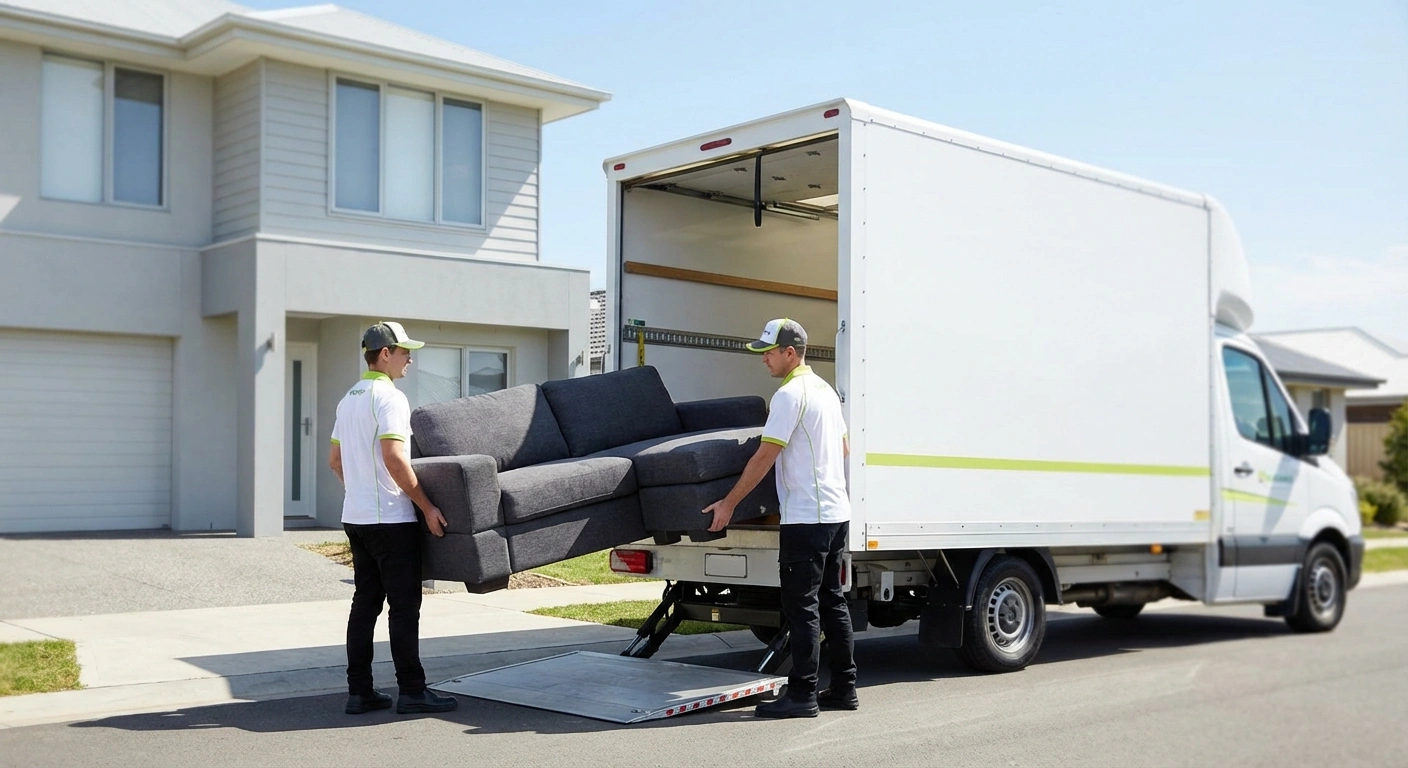
For heavy items that can't go on a pallet - furniture, appliances, gym equipment - a man and van service is often the most practical option. We can collect and deliver items of any weight, and we'll help load and unload.
Marketplace Delivery Services
Platforms like AnyVan and Shiply connect you with drivers who may be travelling your route anyway, often at reduced rates. Good for one-off heavy items.
Need to Send Something Heavy?
We handle items too big or heavy for standard couriers - furniture, appliances, equipment, and more.
07400 640002The weight thresholds where the price jumps
Parcel pricing is not linear, and knowing where the steps are is most of the saving. Standard networks handle items up to around 30kg per parcel, with many capping individual items lower than that and applying surcharges well before the limit. Cross the threshold and the item stops being a parcel and becomes freight, which is priced completely differently — often by pallet space rather than by weight at all.
The other trap is volumetric weight. Carriers charge on whichever is greater: actual weight or a calculated figure derived from the dimensions. A light but bulky item — a mattress, a bicycle box, a lampshade — is frequently charged as if it were far heavier than it is. Working out the volumetric figure before you book explains most of the quotes that otherwise look inexplicable.
- Around 30kg is the usual ceiling — Above that, most networks will not take it as a parcel at all.
- Surcharges start well below the limit — Heavy-item fees often apply from around 15-20kg upward.
- Volumetric weight can exceed actual weight — Bulky and light is charged as heavy. Calculate both and expect the higher.
- Length limits catch people out — Long items are frequently refused or surcharged regardless of weight.
- Splitting can be cheaper — Two parcels under a threshold sometimes beat one over it — but only if the item genuinely splits.
The realistic options, honestly compared
For a genuinely heavy single item there are four routes, and the cheapest depends almost entirely on distance and how much your time is worth. A parcel network is cheapest if the item fits their limits and survives the journey. A pallet network is cost-effective for heavy items going a long way, provided both ends can handle a pallet — which most homes cannot, because a tail lift and a pump truck need somewhere firm and level to work.
A dedicated van costs more per item but includes the things the other routes charge extra for or cannot do at all: collection from a doorstep, carrying it out, and delivery into a room rather than to a kerb. And doing it yourself with a hire van is cheapest on paper and frequently not in practice, once fuel, the insurance excess and a day of your time are in the calculation.
- Parcel network — Cheapest if it fits the limits. Least suitable for fragile or awkward shapes.
- Pallet network — Good value for heavy goods over distance. Needs a firm, level surface at both ends.
- Dedicated van — Door to door, carried in, no handovers. The right answer for heavy, fragile or awkward.
- Self-drive hire — Cheapest headline rate. Add fuel, excess, and your own time before comparing.
- Combining items — Several things going the same way in one run is far cheaper than several separate jobs.
Practical ways to cut the cost
The largest saving available on any heavy item is flexibility on timing. Same-day and next-day carry real premiums, and if the item can travel on a day that suits the route rather than a day that suits you, that difference is significant. On our own work, same-day adds a supplement precisely because it displaces other jobs — a booked slot a few days out does not.
The second saving is consolidation. If you are moving more than one thing to roughly the same place, sending them together is close to the cost of sending the largest one alone. People routinely book three separate collections in a fortnight for items that could all have travelled on one run, and that is the most avoidable overspend in this entire category.
- Be flexible on the day — Urgency is the most expensive thing you can buy. A booked slot costs less than a same-day one.
- Combine everything going the same way — One run with three items beats three runs with one.
- Measure and weigh accurately — A quote based on a guess gets revised. An accurate one holds.
- Remove what does not need to travel — Drawers, glass shelves and detachable parts reduce both weight and risk.
- Ask about a return leg — A van already heading that way is the cheapest capacity there is — always worth asking.